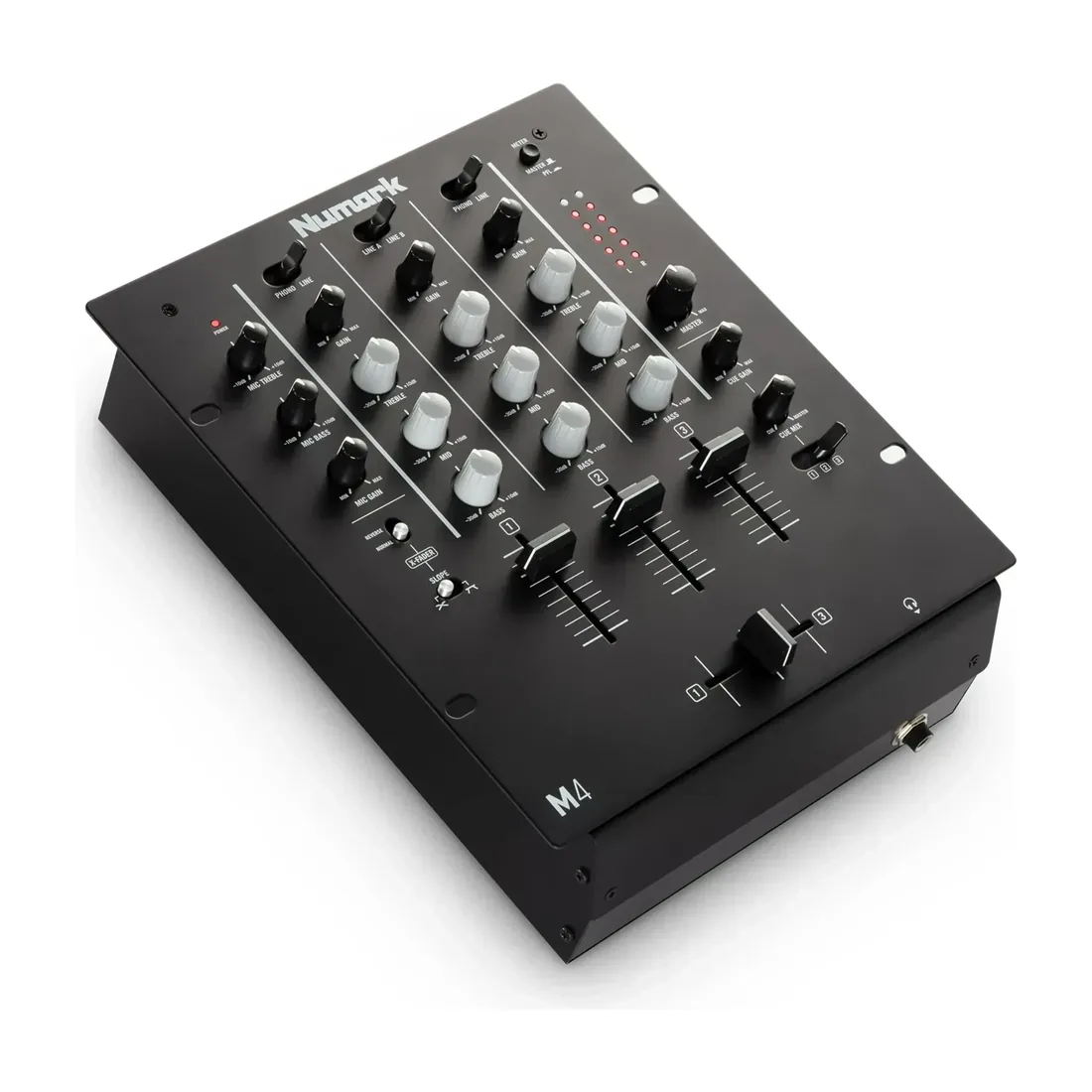
Numark M4
The first mixer in this comparison, with an explicit 2-year factory warranty.
~140 €
A DJ mixer is the piece that ties everything together, it takes signals from your players, lets you blend and EQ them, and routes the result to the PA. If you already have CDJs, turntables or standalone players and need the mixer to complete the setup, this is your guide.
A DJ mixer is a standalone mixing desk, it has no jog wheels or software connection of its own. It receives audio from players (CDJs, turntables, media players) via its inputs and lets you blend between them. A controller combines a mixer with jog wheels and connects to software on a laptop. If you're building a club-style setup or want to connect to turntables for DVS, you need a standalone mixer.
The spec that matters most depends on your use case, but these are the factors that separate serious mixers from basic ones:
Two names dominate the professional mixer market:
The first mixer in this comparison, with an explicit 2-year factory warranty.
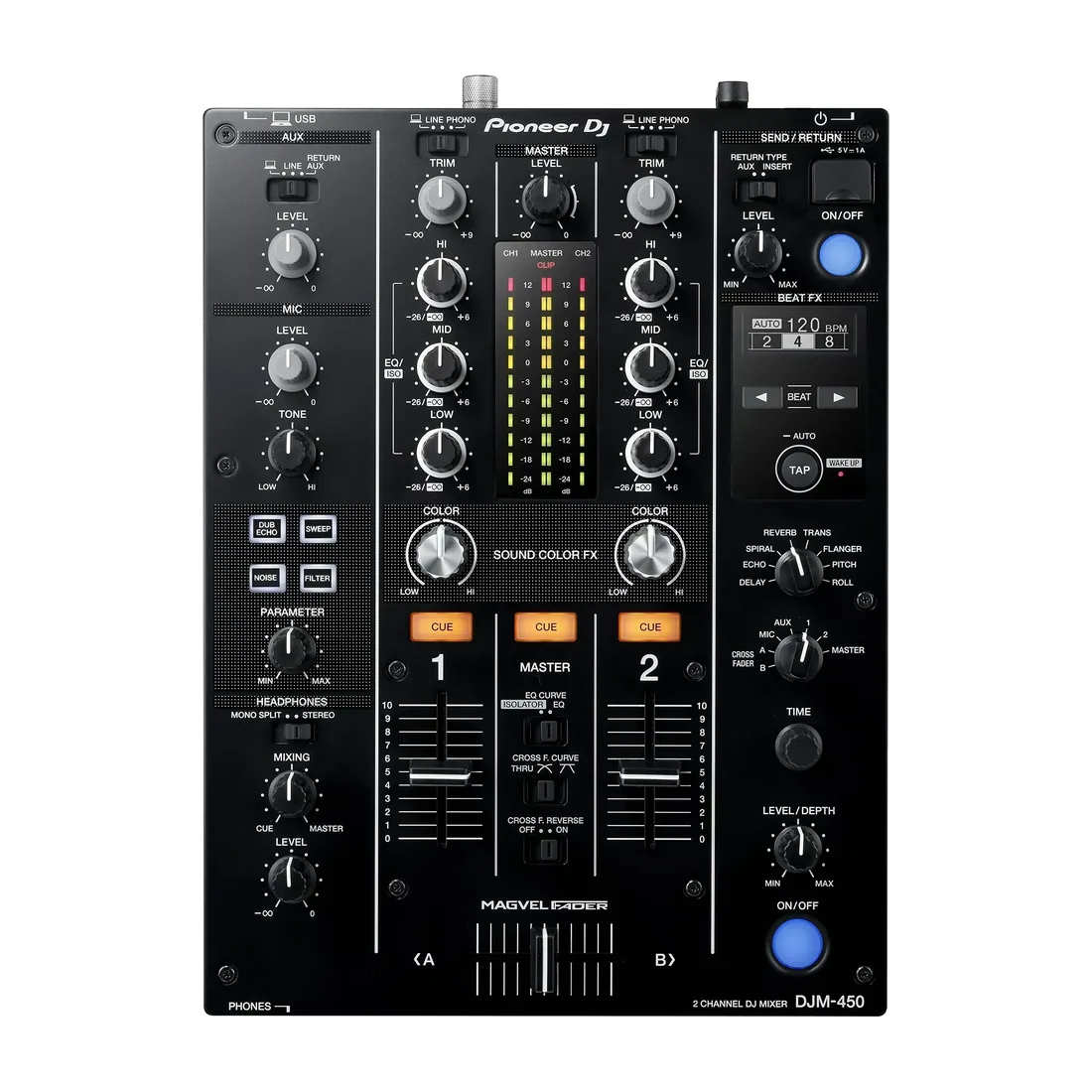
The mixer built to complete a standalone-player setup, with professional XLR outputs.
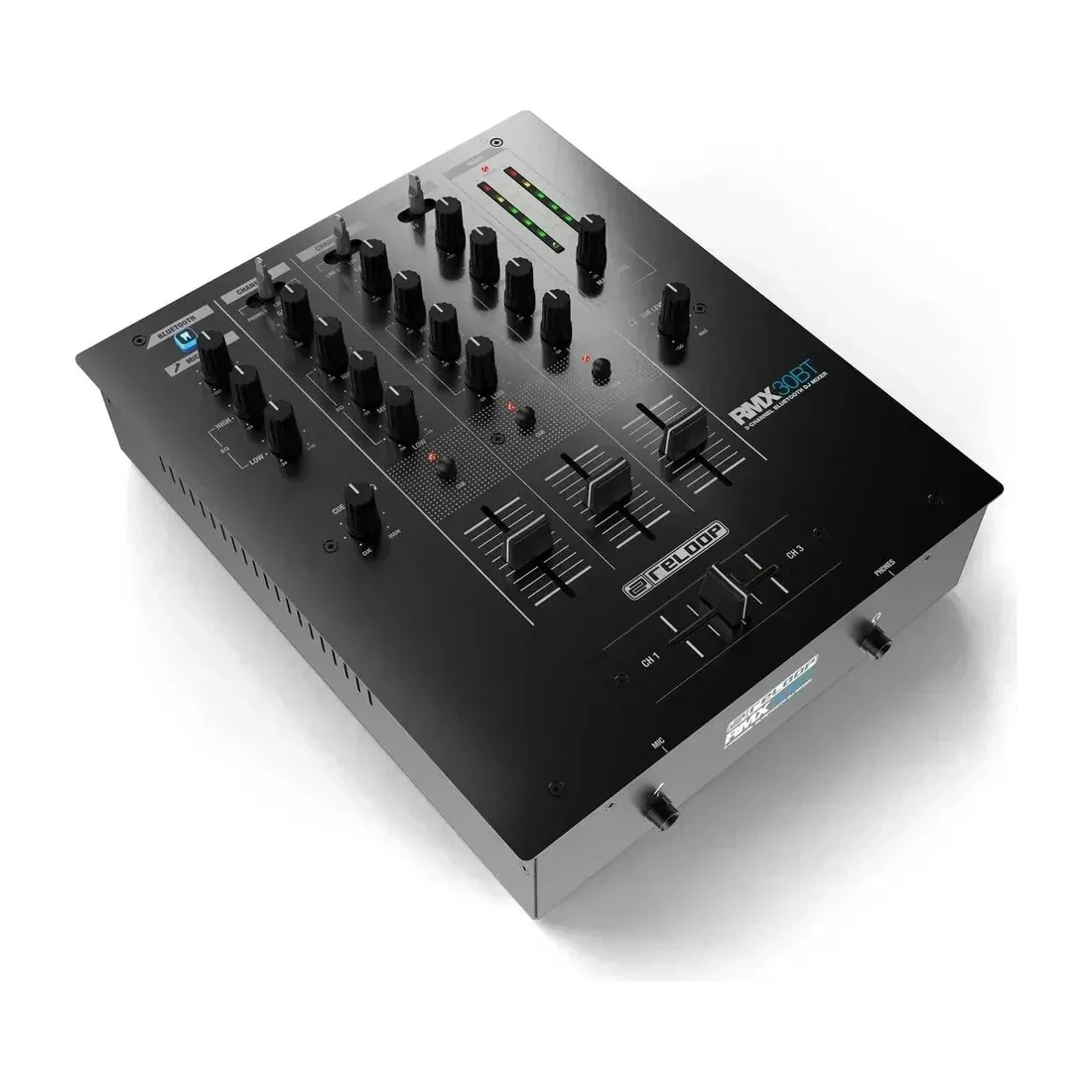
Built-in Bluetooth for direct phone streaming, built for the most flexible use case in this catalog.
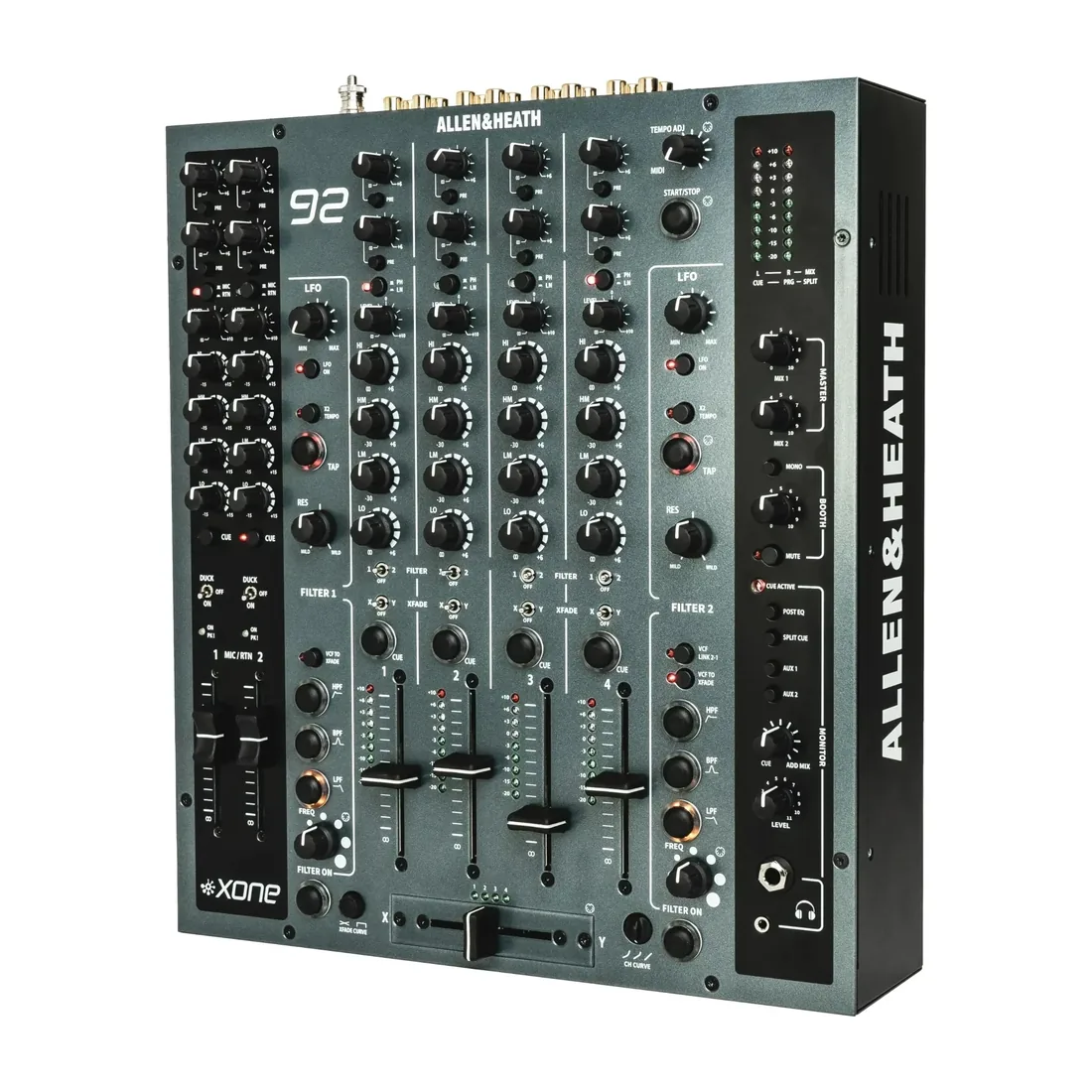
The second generation of one of the most respected mixers in club DJing, with legendary dual filters.
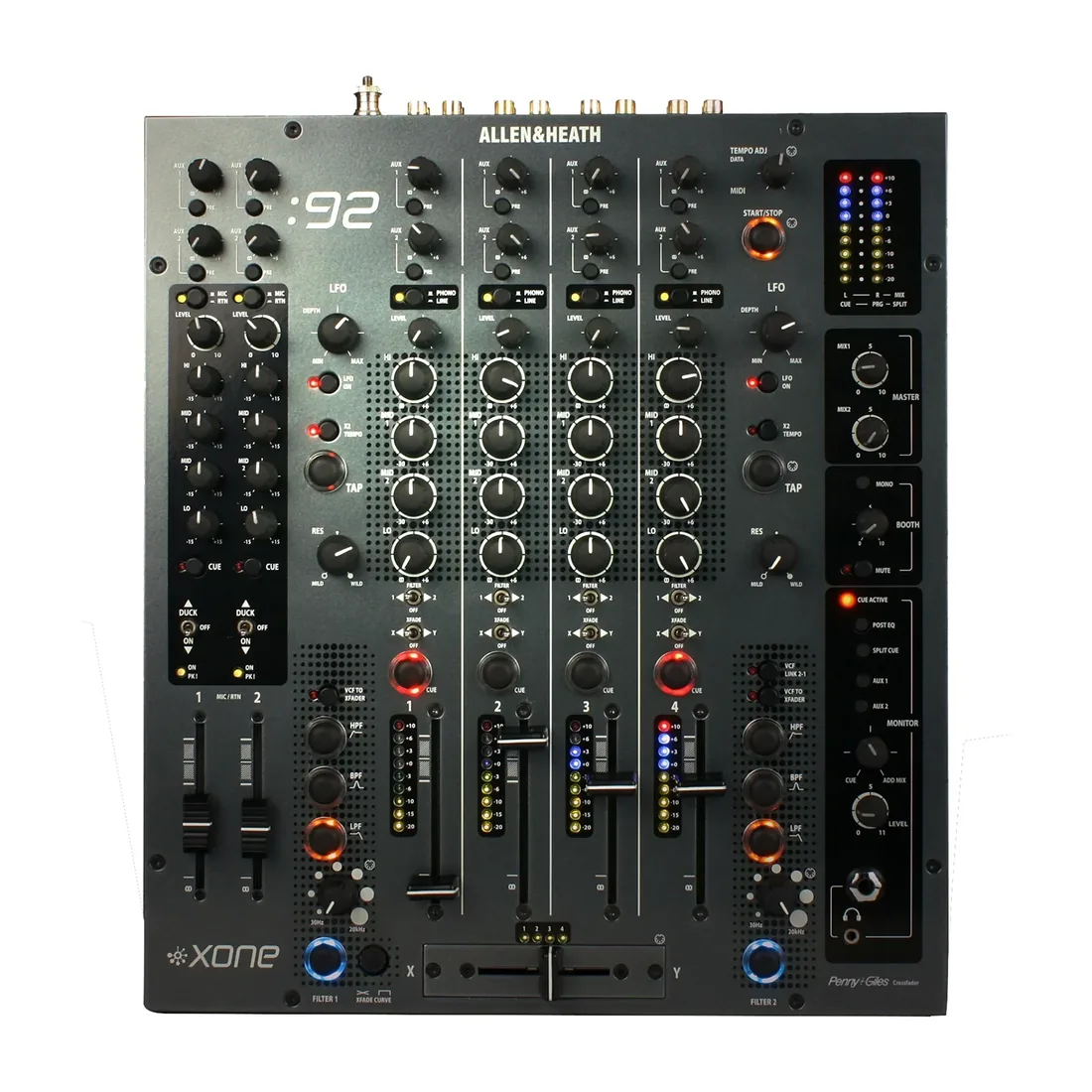
The original generation that defined Allen & Heath's club sound, now down to its last stock.
A standalone mixer makes sense in specific scenarios:
Rankings are based on editorial scoring (sound quality, build, input/output flexibility, and longevity in the market) combined with real Amazon ratings weighted by review volume. We update prices from Amazon data and mark any product whose availability or price we can't confirm. No manufacturer pays to appear here.